

Referring a patient? Visit For Referring Providers

Understanding before intervention.

Good neurological care begins with a simple principle: before trying to change brain function, first understand as much as reasonably possible about how that brain is functioning. This process begins with an initial consultation.

At Lucent Neurology, a consultation is a valuable clinical service in its own right—not simply a first step toward treatment. Drawing on advanced training in functional neurology, decades of clinical experience, and an understanding of brain physiology, we explore how neurological function may relate to your symptoms and daily experience.

Our assessment also considers the broader influences on neurological health, including metabolic, nutritional, lifestyle, and environmental factors. By bringing these perspectives together, we seek to develop a more complete understanding of your condition.

Dr. Aker at his computer in the clinic

Whether you are seeking an initial evaluation, a fresh perspective on persistent symptoms, or a second opinion about your current care, our goal is to provide thoughtful clinical insight, explain our findings clearly, and help you better understand your options.

A consultation does not obligate you to pursue treatment at Lucent Neurology. Sometimes the most valuable outcome is greater clarity, a new direction for further evaluation, or reassurance that your current course of care is appropriate.

EEG (Electroencephalogram)

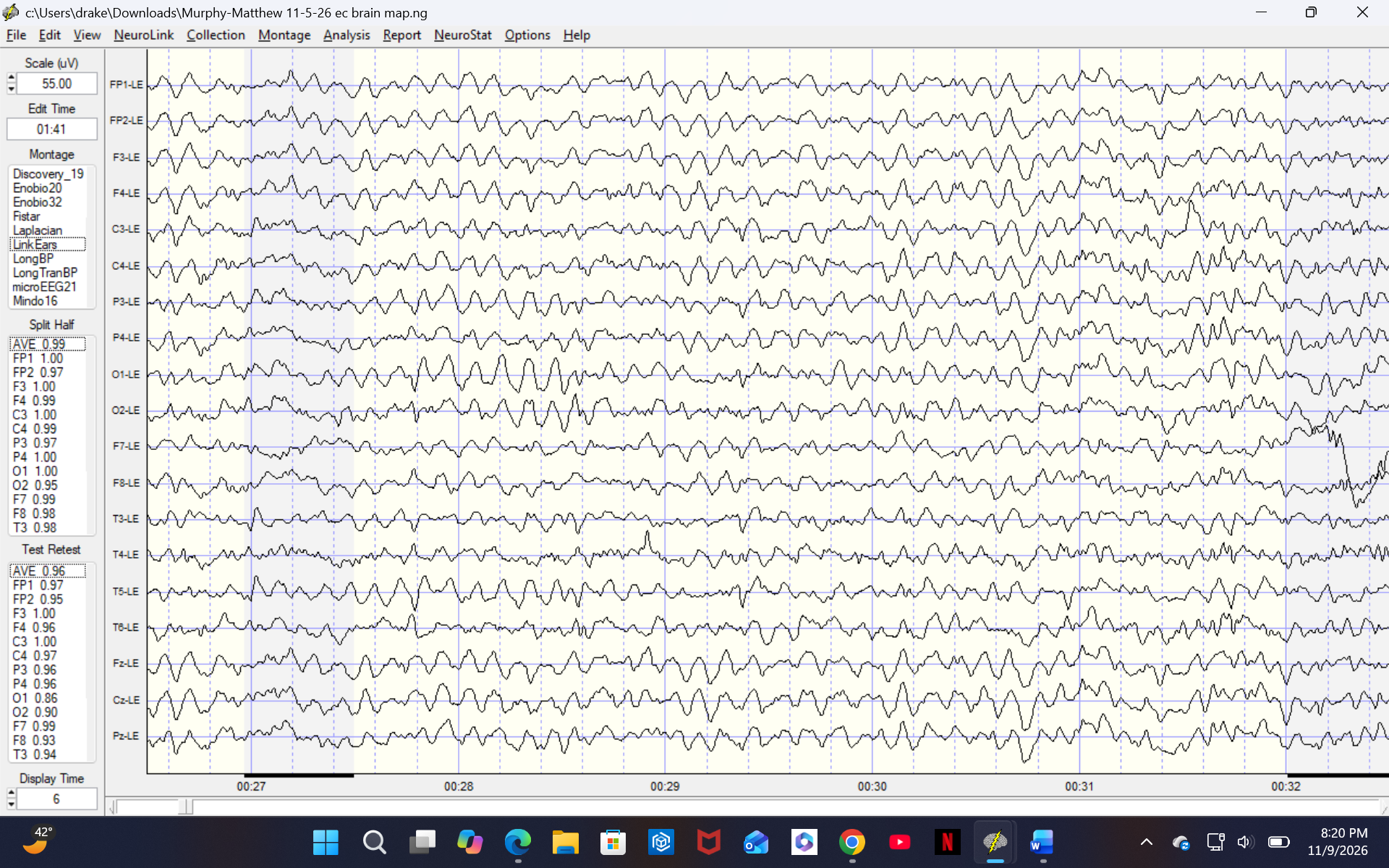
An EEG is a recording of the brain's electrical activity.

  • Measures electrical activity and brainwave patterns.
  • Records brain activity in real time.
  • Helps identify unusual electrical activity, such as seizure activity.
  • Allows a clinician to review the brain's electrical patterns.
  • Typically produces waveforms that are interpreted by a qualified clinician.

Think of an EEG as taking a picture of what the brain's electrical activity looks like at that moment.

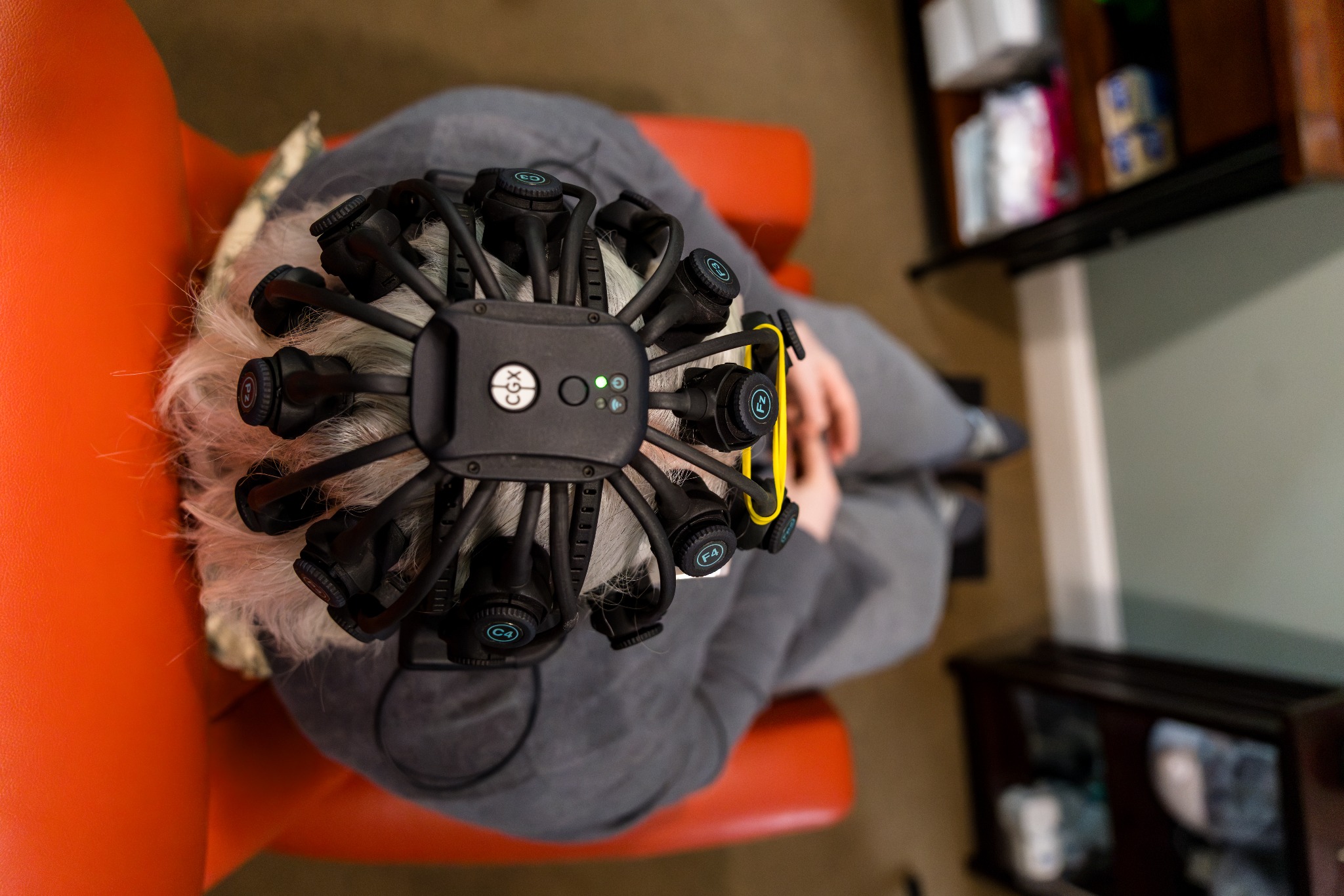
Overhead view of the EEG sensor setup
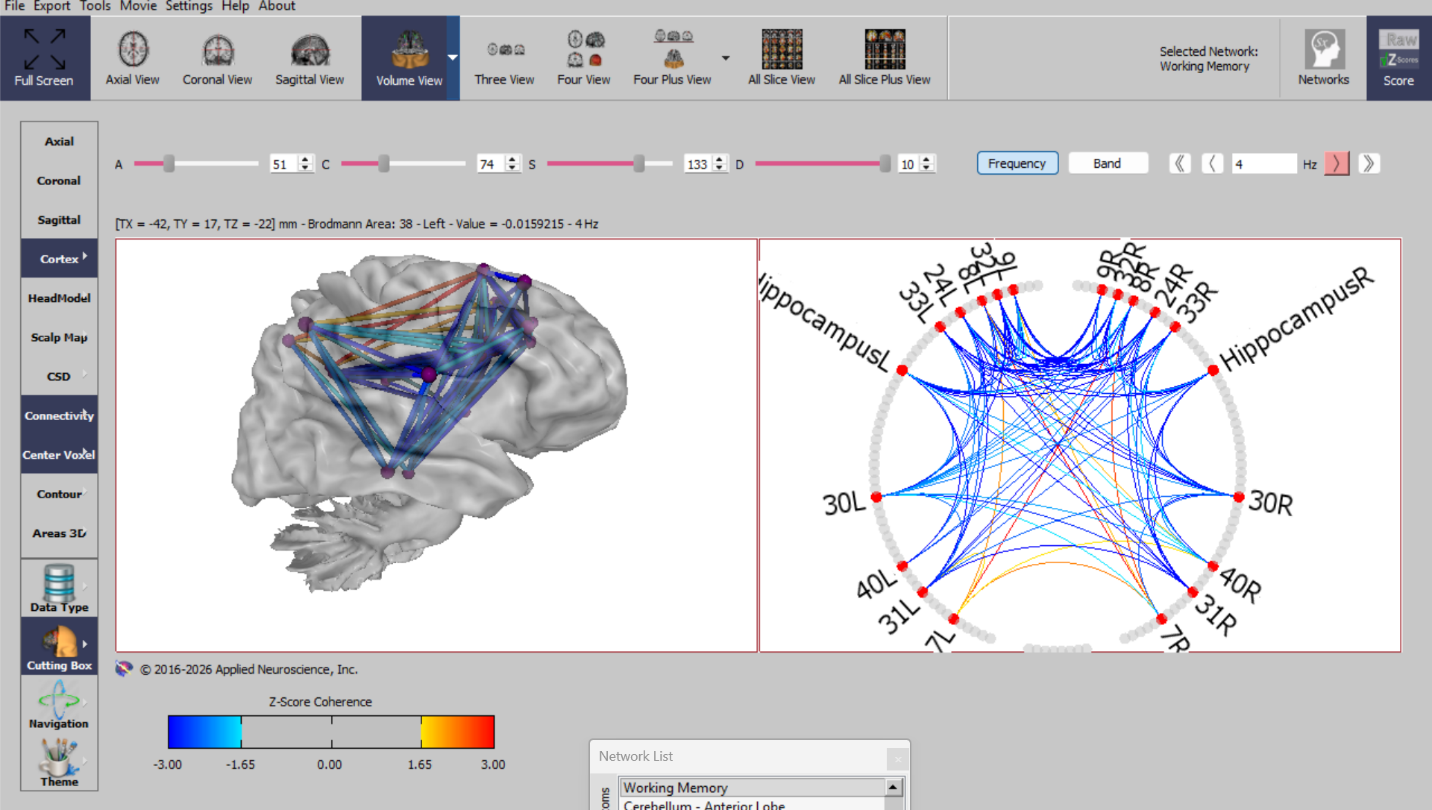
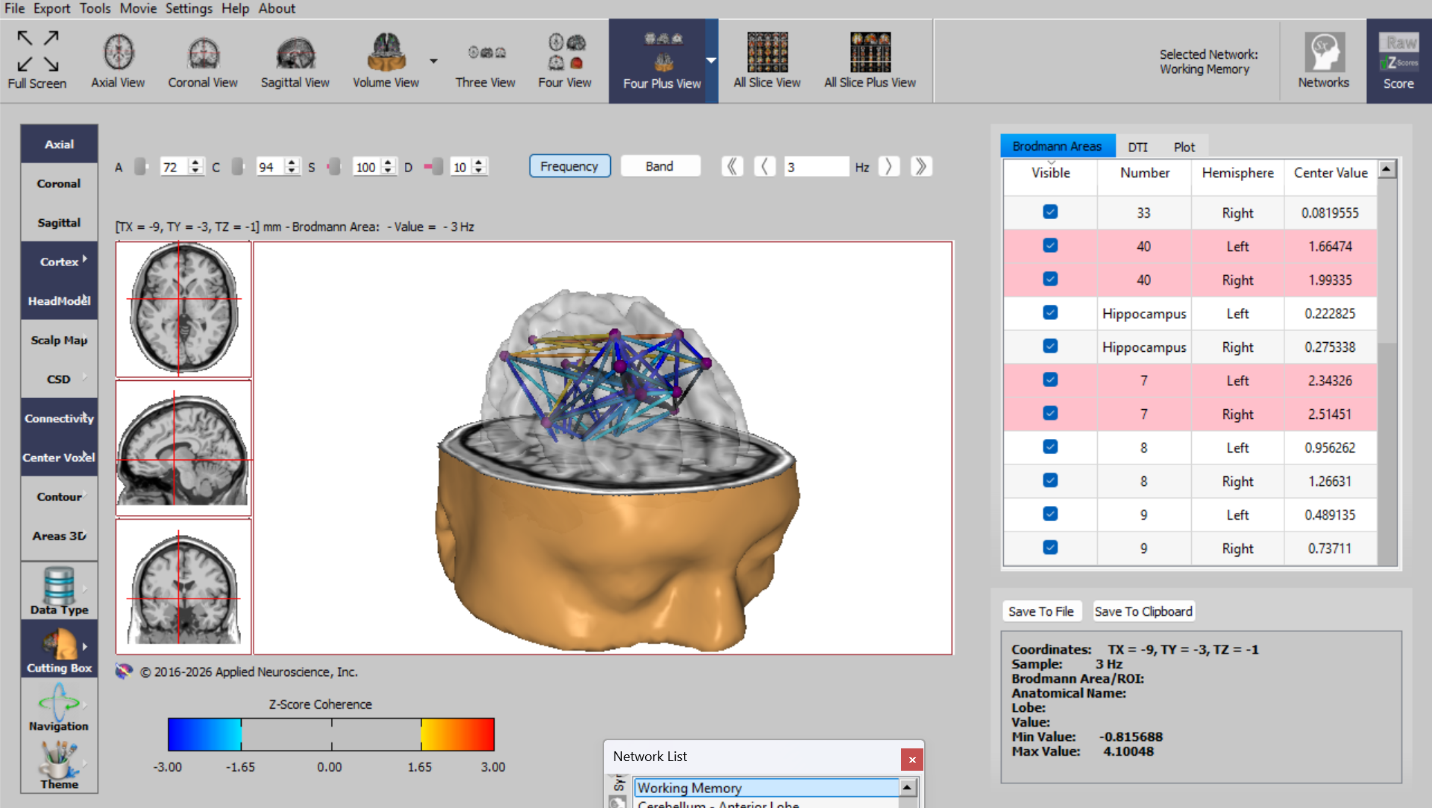
qEEG software displaying a three-dimensional brain and a connectivity diagram

qEEG (Quantitative Electroencephalogram)

A qEEG takes the EEG recording and uses specialized computer software to analyze the data quantitatively.

  • Measures different brainwave frequencies, including Delta, Theta, Alpha, and Beta.
  • Analyzes the amount and distribution of brainwave activity.
  • Creates color-coded brain maps showing different patterns of activity.
  • Can compare brain activity to a normative database.
  • Helps identify areas of the brain that may show differences in activity or communication.
  • Can help guide individualized neurofeedback training plans.

Think of a qEEG as taking the EEG recording and turning it into a detailed map of brain activity.

EEG vs. qEEG: What's the Difference?

EEG recording displayed as electrical waveforms
qEEG analysis software displaying a brain model with connections and numerical findings
EEGqEEG
Records brain electrical activityRecords and quantitatively analyzes brain activity
Produces waveformsProduces waveforms and brain maps
Primarily visual interpretationUses computer-assisted statistical analysis
Looks at electrical patternsExamines patterns, frequencies, and distribution
Used in neurological evaluationCan help guide individualized neurofeedback protocols

The first step is a conversation.

We can discuss what you are experiencing, what previous evaluation has shown, and whether a Lucent neurological evaluation may provide useful additional information.

An evaluation does not obligate you to begin treatment.

Request a consultation